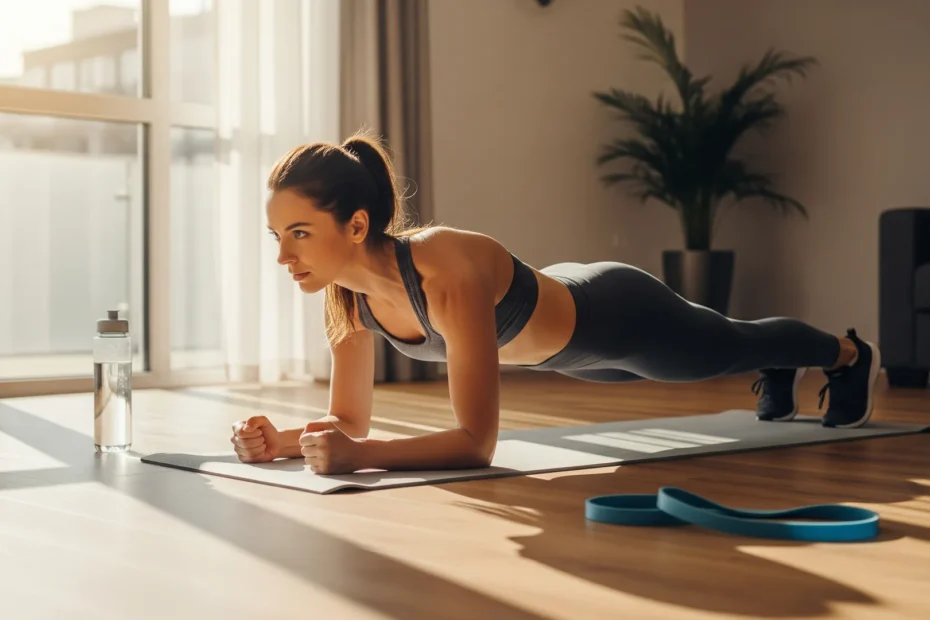
You don’t need a swipe card and a set of dumbbells in a crowded room to get fit in Australia. More people are working out at home, training in local parks, or booking a coach who comes to them instead of signing up for another gym membership they might not use. If you’re wondering how to stay fit without a gym in Australia, the answer isn’t “do some push-ups and hope for the best.” It’s about building real structure into whatever space you’ve got.
This guide walks through the practical options, the accountability piece most no-gym advice skips, and where a mobile personal trainer fits into the picture.
Why More Australians Are Choosing Fitness Without a Gym Membership
Gym memberships look simple on paper. Pay monthly, turn up, get fit. In practice, a lot of people sign up in January and stop showing by autumn.
The problem with traditional gym memberships
Cost is one issue. Ongoing membership fees add up over a year, even when you only attend a handful of times a month. Intimidation is another. Walking into a room full of unfamiliar equipment and confident regulars puts plenty of beginners off before they’ve done a single set.
Then there’s the lapsed-membership cycle. Gyms have long reported that a large share of new members stop attending regularly within months of signing up. That’s one reason gym-free, coached alternatives keep gaining interest. People want the results without repeating a pattern that hasn’t worked for them before.
Fitness without a gym membership in Australia isn’t about giving up on structure. It’s about finding a different, more sustainable way to get it.
How to Stay Fit Without a Gym: Home and Outdoor Options
You can build genuine fitness using your lounge room, your driveway, or the park at the end of your street. The trick is choosing options that fit your space and your schedule.
Working out at home with little or no equipment
Bodyweight circuits are the obvious starting point. Squats, lunges, push-ups, planks, and step-ups all build strength without a single machine. Add a resistance band or two and you open up rows, presses, and lateral work that mimics gym cable exercises.
Stairs count too. A set of stairs at home or in your building can double as a cardio and leg session. If you want a ready-made starting structure rather than guessing at sets and reps, a simple no-equipment home workout routine gives you a clear place to begin.
Training outdoors in parks and public spaces
Local ovals, park benches, and playground bars are free equipment if you know how to use them. Bench step-ups, incline push-ups, and bodyweight circuits between park furniture all work well outdoors.
Training outside also adds fresh air and a change of scenery. That helps a lot of people stick with a routine longer than a fluorescent-lit gym floor does.
The Missing Piece: Accountability Without a Gym
Here’s where most “no gym workout” advice stops short. It lists exercises and calls it a plan. But knowing what to do isn’t the same as actually doing it, week after week.
Why most home workout attempts fail without structure
Home workouts often fail for the same reason gym memberships lapse: no one is checking in. There’s no progression plan. No one adjusts the program when it gets too easy. No one notices when you skip three sessions in a row.
Structure means knowing exactly what you’re doing on Tuesday and Thursday, having someone track your progress, and having a plan that adapts as you improve. Environment matters less than most people think. Accountability is what actually keeps a no-gym fitness plan in Australia running past the first fortnight.
Mobile Personal Training as a Gym Alternative in Australia
This is where a coached, come-to-you model changes the equation. Since 2001, Fitness Inside Out has trained Australians at home, in parks, and online instead of inside a gym. The mobile PT model was built around the exact problem this guide solves.
How a mobile PT session at home, work, or the park works
A trainer arrives at your home, workplace, or a nearby park with everything needed for the session. You get a program built around your goals, equipment adjusted to your space, and a coach watching your form the entire time.
Sessions run 1-on-1, 2-on-1 with a partner or friend, or online if you’re travelling or prefer to train remotely. For the full picture of how this looks in practice, how a personal trainer coming to your home actually works breaks down the process step by step. You can also look at the full benefits of mobile personal training if you want the broader case for this model.
Who benefits most from a come-to-you trainer
Busy parents are a clear example. A busy parent in Sydney who has lapsed on gym memberships twice before can get the same structured programming and accountability from a trainer who comes to their lounge room or local park before school pickup. There’s tailored training for busy mums built around exactly that kind of schedule.
Over-50s clients who want to stay active as they age often prefer a trainer visiting home or a local oval over navigating unfamiliar gym equipment alone. A complete guide for older adults staying active covers that audience in more depth.
Teens building fitness habits, shift workers with irregular hours, and anyone who simply dislikes the gym environment also tend to do well with this model. Fitness Inside Out trainers work across Sydney, Central Coast, Wollongong, Melbourne, and Brisbane, plus online. That means a coached alternative to a gym is available almost anywhere in the country.
Comparing the Real Costs and Trade-Offs
There’s no single “best” option here. It depends on what you value more: low cost, convenience, or guided results.
Gym membership vs home workouts vs mobile PT
A gym membership gives you access to equipment and space, but it also demands travel time. It only delivers results if you actually attend and train with intent. Plenty of members pay monthly and rarely use it.
Home and outdoor workouts cost the least in dollar terms. They ask more of you in discipline, planning, and knowing what to actually do each session.
Mobile personal training sits in between on cost but adds something the other two options don’t: a professional designing your program, watching your form, and adjusting things as you progress. You skip the gym commute and the membership you might not use, and you get outcomes closer to what a structured program can deliver. For a lot of people, that trade-off, a bit more investment for a lot more consistency, is the difference between “I tried working out at home” and “I actually got fit.”
Building a No-Gym Fitness Routine That Actually Sticks
Whatever combination you choose, a routine only works if it’s realistic for your week.
Setting a weekly structure
Start with three sessions a week rather than an ambitious daily plan you won’t sustain. Mix bodyweight strength work with some form of cardio, whether that’s a brisk walk, stairs, or a park circuit. Write the sessions into your calendar like any other appointment, so they don’t quietly disappear when the week gets busy.
When to bring in a professional
If you’ve tried the DIY approach before and it’s fizzled out by week three, that’s usually a sign you need external structure, not more willpower. A trainer brings the program design, the progression, and the accountability that home workouts alone often lack.
If you’re in Sydney, mobile personal training options in Sydney show what a coached, come-to-you session looks like in that area specifically. And if you’re still weighing up trainers generally, how to choose the right personal trainer is worth reading before you commit to anyone.
Getting fit without a gym in Australia is realistic, with the right structure behind it. If you want that structure without the membership, book a free consultation or trial session with a Fitness Inside Out mobile or online personal trainer and get a plan built around your life, not the other way around.