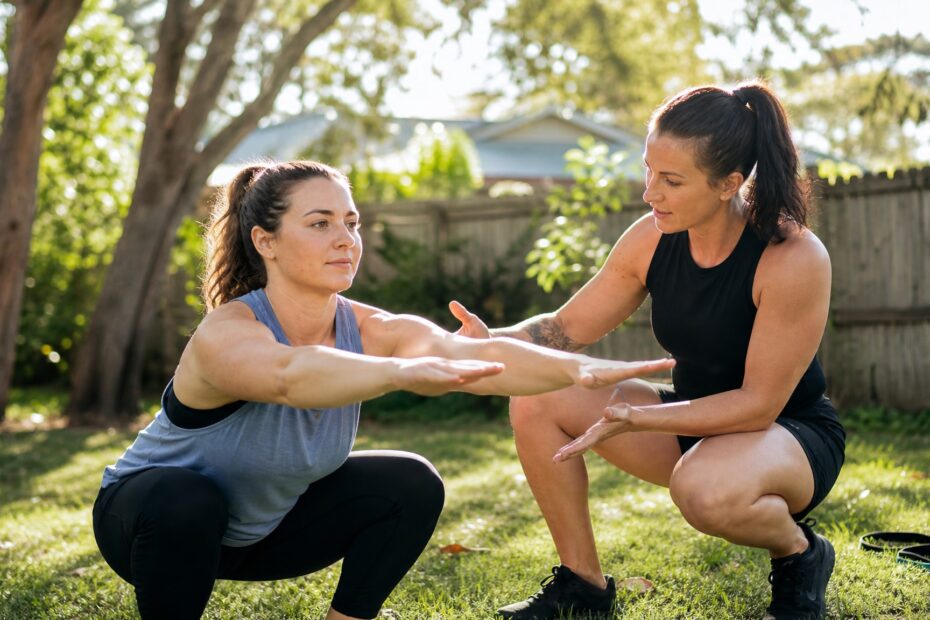
Finding a personal trainer for weight loss in Brisbane often means choosing between a crowded gym floor and the convenience of your own schedule. For busy professionals, parents, or older adults who have lapsed on memberships before, the barrier is rarely motivation. It’s the logistics of getting there. Mobile training removes the commute entirely, bringing coaching directly to your home, local park, or workplace, so you can focus on the work rather than the travel. Fitness Inside Out has run mobile personal training across Australian cities, including Brisbane, since 2001. That’s more than two decades of come-to-you coaching built around getting you to show up, not around how a facility looks.
This approach doesn’t replace medical weight management, and it isn’t built for competitive bodybuilding prep. It’s for people who need practical, sustainable fat loss strategies that fit into a real life outside the gym.
Why Mobile Personal Training Works for Brisbane Weight Loss
How often you train matters more for long-term weight maintenance than how hard you train or how nice the gym is. That’s the logic behind the mobile model. Remove the friction of travel and changing rooms, and you’re far more likely to actually complete the sessions that drive results. A mobile personal trainer Brisbane meets you where you are, and that changes how you engage with your goals during a busy week.
Training around humidity and heat
Brisbane’s subtropical climate can make a stuffy gym or an exposed outdoor bootcamp unappealing, especially when you’re already tired from work or family commitments. Mobile training lets you adapt the environment to how you’re feeling that day, shifting between air-conditioned indoor spaces and shaded park areas depending on the forecast. You keep momentum through summer without the thermal discomfort, or the dread of a post-workout sweat in a public locker room.
Eliminating gym friction for busy professionals
Mobile training removes the “gym commute” barrier, a frequent reason busy Brisbane professionals drop out when juggling work and family across a sprawling city. The thirty minutes you save each way goes straight into sleep, meal prep, or time with your kids. That’s what makes the training habit sustainable instead of one more sacrifice. Your workout becomes part of your existing routine, not a logistical puzzle competing with everything else on your calendar.
Your First Month with a Mobile Weight Loss Coach
The first four weeks build the habits that make physical change possible later. Expect this period to feel more like learning than hard conditioning, because your coach is prioritising technique and confidence over exhaustion.
Initial assessment and goal setting at home
Your first session usually involves a movement screen and a lifestyle discussion in your own space, so your coach sees the actual environment you’ll be training in. That context shapes a program that works with your furniture, floor space, and daily rhythms instead of against them. You set milestones based on your current capacity and schedule, so the plan is something you can execute on a Tuesday afternoon, not just a Monday morning resolution.
Building a routine in your local park or backyard
Training in familiar surroundings reduces the mental effort of a new habit and helps it become automatic faster. Your coach works with you in your backyard or a nearby green space, teaching you to use what’s around you so you’re never dependent on specific machinery. That familiarity builds confidence quickly. It proves that effective training happens wherever you decide to show up.
Tracking progress beyond the scales
Early wins in weight loss coaching often show up as better energy, better sleep, and more confidence in your movement, well before the scale moves much. Your coach tracks those markers alongside the physical numbers, which keeps you engaged through the inevitable plateaus. Focusing only on weight can hide the metabolic changes happening in those first few weeks, and those changes are what actually predict long-term success.
Losing Weight Without a Gym: Equipment and Space Myths
Fat loss needs metabolic demand, not heavy iron, and a good coach knows how to create that demand with minimal gear. You don’t need a garage full of machines to change your body composition. You need programming that keeps progressing regardless of your equipment. Many clients successfully stay fit without a gym, using portable tools and bodyweight variations that work the same muscle groups as traditional machines.
Effective bodyweight and portable gear strategies
Resistance bands, suspension trainers, and adjustable dumbbells give you enough stimulus for muscle growth and calorie burn when the volume and tempo are programmed properly. Your trainer brings this equipment to you, or teaches you to use what you already own, so cost stops being a barrier. The limit here is maximal strength for powerlifting. But for general weight loss and functional fitness, portable gear has a ceiling far higher than most beginners will reach in their first year.
Adapting sessions for small apartments or shared spaces
Good programming adapts to any space, so lack of equipment is never a reason to stall. A competent coach adjusts for low ceilings, carpeted floors, or shared walls, keeping the training solid without disturbing neighbours or damaging property. You start seeing your living area as a training ground rather than a limitation, which reinforces the point that consistency matters more than perfect conditions.
Finding Personal Training in Brisbane Suburbs That Fits Your Life
Geographic flexibility matters for long-term adherence in a way that a location-bound franchise gym can’t match. When your trainer travels across Greater Brisbane, you keep access to quality coaching even if you move house, change jobs, or need to shift session locations for childcare. That cuts decision fatigue, because you’re not constantly negotiating your fitness around a fixed point on the map that no longer fits your life.
Services include 1-on-1, 2-on-1, and small group options, delivered at your home, your workplace, or a local park, so you can pick a format that suits your comfort and your budget. Whether you want the privacy of in-home training or the accountability of a park session with a friend, the service bends to fit you rather than forcing you into a standard box. Our Brisbane personal trainers cover suburbs from the inner city to the outer corridors, so professional guidance is there regardless of where you live.
Accountability Strategies for Home and Outdoor Sessions
External accountability replaces the social pressure of a gym floor, giving you structure when your own motivation dips. A mobile coach is both witness and partner, creating a sense of obligation that doesn’t depend on your environment or your mood. That relationship is often the missing piece for people who’ve tried self-directed programs and drifted once life got complicated.
Staying motivated when no one is watching
Your coach checks in and stays in contact between sessions, so you’re accountable even when they’re not there. That contact helps you get through the moments of doubt or laziness that happen in private, turning slip-ups into lessons instead of failures. Knowing someone is tracking your adherence creates a kind of psychological contract, and that supports discipline through the unglamorous middle stretch of weight loss.
Integrating nutrition guidance into daily life
Good weight loss coaching goes beyond the hour-long session and into habit stacking that suits your home life. Your trainer helps you find realistic nutritional adjustments that work within your existing kitchen and family routine, instead of prescribing an idealised meal plan that falls apart under real-world pressure. That practical approach keeps your dietary changes sustainable enough to support the physical work you’re doing in training.
For those specifically after a personal trainer for weight loss at home, combining nutrition and movement in your own space builds one cohesive system for change. You stop treating health as something that happens elsewhere and start building it into your everyday life at home.
Choosing the Right In-Home Personal Trainer in Brisbane
Inviting someone into your private space takes trust that goes beyond certification. Getting on well matters as much as technical skill. You need a coach who respects your boundaries, communicates clearly, and makes you feel safe enough to talk about what you’re struggling with. Learning how to choose a personal trainer means weighing up their qualifications and their ability to make your home feel like a supportive place to train.
Qualifications versus personality fit
Technical knowledge keeps you safe and gets you results, but whether you stick with the program long enough to see those results often comes down to personality fit. A trainer with perfect credentials who makes you feel judged will get you worse outcomes than a less credentialed coach who genuinely connects with your situation. Look for coaches who listen more than they lecture, and who show real curiosity about your life, not just your rep counts.
Questions to ask before booking your first session
Ask potential trainers about their experience with clients like you, in age, fitness level, and lifestyle. Ask about their cancellation policy, how they communicate between sessions, and how they adapt when you’re injured or overwhelmed. These questions tell you whether their service actually matches your reality, so you don’t end up investing in something that looks good on paper but falls apart in practice.
Realistic Timelines for Sustainable Weight Loss Results
Sustainable fat loss usually runs at half a kilogram to one kilogram a week, once the initial water weight settles down. That’s what separates lasting change from a fast, temporary drop. Expect the first month to show little visible change while your body adapts neurologically and metabolically, before the bigger physical shifts show up. Patience here matters: the changes happening beneath the surface are what stop the weight coming back once you eventually ease off training frequency.
Convenience drives results more reliably than intensity alone. The trainer who fits your schedule beats the trainer who wrecks you twice a week. Mobile training supports that by removing the barriers, but it can’t speed up your biology or make up for inconsistent eating. Your timeline comes down to how consistently you can execute the fundamentals, not how hard you push in any one session.