Getting exercise support through the NDIS shouldn’t mean another trip out of the house. If you’re after an NDIS exercise physiologist personal trainer Sydney participants can actually book, without clinic waiting rooms or public transport, mobile support is worth understanding properly. This guide covers how funding works, what a first session looks like, and how to get started.
What Is NDIS Exercise Physiologist Personal Training at Home?
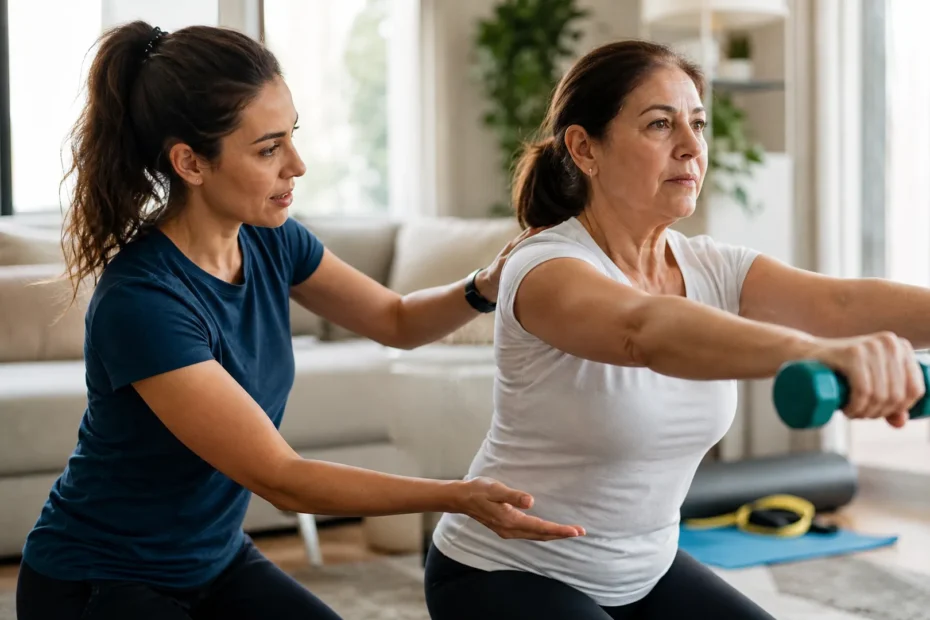
NDIS exercise physiology and personal training at home means a qualified professional comes to your house, workplace, or local park instead of you travelling to them. Sessions are built around your NDIS goals: building strength, improving mobility, or just moving more confidently day to day.
Exercise physiologists are university-qualified allied health professionals. They assess your condition, understand any diagnoses or functional limitations, and design programs for participants with disability, chronic illness, or injury. Personal trainers focus more on general fitness coaching and motivation. Many NDIS participants use one or the other, and some use both at different stages of their plan.
How Mobile Exercise Physiology Differs from a Standard Gym PT Session
A standard gym session assumes you can get to the gym, use standard equipment, and follow a general program. Mobile exercise physiology drops that assumption.
Sessions happen in your own space, using equipment that suits your home and your body. The exercise physiologist also documents progress in a way that ties back to your NDIS plan goals. A typical gym PT session doesn’t need to do that.
How NDIS Funding Can Cover Exercise Physiology and Mobile Training
NDIS funding can cover exercise physiology and, in some cases, personal training, when the support links to your plan goals. This usually sits under Improved Daily Living or Improved Health and Wellbeing, depending on how your plan is written.
Funding doesn’t automatically cover every fitness activity. It needs to relate to a functional goal, such as improving strength for daily tasks, building endurance, or supporting a health condition. That’s why the initial assessment and clear goal-setting matter so much from the first visit.
Self-Managed, Plan-Managed and NDIA-Managed Participants: What Changes
Self-managed, plan-managed, and NDIA-managed participants can each access mobile exercise physiology. The type of plan management changes how sessions get booked and paid for, but it doesn’t change your ability to receive the support itself.
- Self-managed NDIS exercise physiology gives you the most flexibility. You pay the provider directly and claim it back yourself, choosing providers without needing them to be registered with the NDIS.
- Plan-managed participants have a plan manager who pays invoices on their behalf. Your provider bills the plan manager directly, so there’s minimal paperwork on your end.
- NDIA-managed participants need to use registered NDIS providers, and claims go through the NDIA’s own system.
Whichever category you fall into, the booking and invoicing steps differ slightly. But the exercise and support you receive can look identical.
NDIS Capacity Building Exercise vs Core Supports
NDIS capacity building exercise is about building skills and independence over time: improving strength, balance, or mobility so you can do more for yourself. Most exercise physiology and personal training funding sits here.
Core supports generally cover daily living assistance and consumables rather than allied health services. Understanding which category your exercise support falls under helps you and your support coordinator plan sessions that make the most of your funding.
What a First NDIS In-Home Session Looks Like
Your first session is about understanding you, not pushing you into a program. It’s as much a conversation as a physical assessment.
A typical first NDIS home visit includes a functional movement assessment, a discussion about your NDIS goals, and a simple home-friendly program you can build on week to week. Nothing is rushed, and nothing assumes you’ve done structured exercise before.
Assessment, Goal-Setting and Building a Home-Friendly Program
Here’s roughly what happens on day one:
- Your exercise physiologist or trainer talks with you about your NDIS goals, medical history, and any current limitations.
- They assess your movement, strength, and balance in a way that’s realistic for your home environment.
- Together, you set clear, achievable goals tied to your plan.
- They build an initial program using space and equipment already at home, or simple additions if needed.
- You agree on a session frequency and a plan for tracking progress.
This process is designed to feel manageable, especially if you’ve never worked with an allied health professional before. There’s no pressure to perform. The goal is a program you’ll actually stick with.
Goal-Setting and Progress Reporting for Plan Managers and Support Coordinators
NDIS plans get reviewed periodically, and progress notes matter at review time. Exercise physiologists commonly work alongside support coordinators and plan managers to align sessions with capacity-building goals. They also provide the progress notes plan reviews typically require.
This means you don’t need to chase up reports yourself or explain your progress from memory. Your provider should handle that communication as a normal part of the service, keeping your support team informed without extra effort on your part.
How Fitness Inside Out Trainers Work Alongside Your Support Team
Fitness Inside Out has delivered mobile personal training and exercise physiology across Sydney since 2001, bringing sessions into homes, parks, and workplaces rather than requiring clinic visits. That history includes plenty of experience coordinating with support coordinators and plan managers on behalf of NDIS participants.
Trainers document what’s covered each session, track measurable progress against your stated goals, and share updates with your support team when needed. If you’re after NDIS personal trainers in Sydney who understand this reporting side of things, that coordination is built into how sessions run, not treated as an afterthought.
Who Qualifies for an NDIS Approved Personal Trainer in Sydney?
Most NDIS participants with a plan that includes Improved Daily Living or Improved Health and Wellbeing funding can access exercise physiology or personal training, provided it’s linked to a goal in their plan. There’s no separate qualifying test beyond having that funding allocated and a genuine functional goal to work toward.
If you’re unsure whether your plan supports this kind of exercise support, your support coordinator or plan manager can usually confirm it quickly. In many cases, providers themselves can help clarify what your plan allows before your first booking.
Benefits of Training at Home vs Travelling to a Clinic
Many NDIS participants find that travelling to a clinic adds fatigue and cost before a session even starts. That’s one reason mobile, in-home exercise support has grown in popularity across Sydney in recent years.
Home-based sessions remove transport stress, cut the physical toll of getting somewhere, and let you train in a familiar, comfortable environment. For participants managing chronic conditions or mobility limitations, that difference can be the reason a program actually gets sustained rather than abandoned after a few weeks.
Training at home also means your program can use your actual furniture, stairs, and layout, which makes the exercises more directly useful for your daily life. It’s a similar principle to what makes personal training guide for older adults content emphasise home-based sessions for clients managing balance or mobility concerns.
If you’d rather understand the broader mobile training landscape in Sydney before narrowing down to NDIS-specific support, it’s worth looking at mobile personal trainer options in Sydney more generally, and how how in-home personal training works day to day. Some participants also prefer training alongside a family member or friend. In that case, small group training at home is worth considering.
Getting Started with Mobile NDIS Fitness Support in Sydney
Starting is simpler than most people expect. You don’t need paperwork sorted before you make contact, and you don’t need to already understand the funding categories in detail.
Fitness Inside Out services Greater Sydney, Central Coast NSW, Illawarra NSW, Greater Melbourne, and Brisbane, bringing NDIS exercise physiology and personal training directly to participants at home. Whether you’re self-managed, plan-managed, or NDIA-managed, the team can talk through what’s possible under your plan and get a first session booked in.
If you’re ready to arrange an NDIS approved personal trainer in Sydney, or want to explore mobile exercise physiology services for yourself or someone you support, the next step is straightforward. Get in touch with the team to discuss your goals and book a first in-home session.