
You’ve probably done the gym thing before. The sign-up felt great, the first few weeks went well, and then the drive, the crowds and a busy week got in the way.
That’s not a failing on your part. It’s a setup that didn’t fit your life.
Fitness Inside Out was built the other way round. Your trainer comes to you, and the training fits around your week. If you’re after a personal trainer in Brisbane for over 50s, here’s how it works, what to expect and how to choose well.
Training That Comes to You in Brisbane
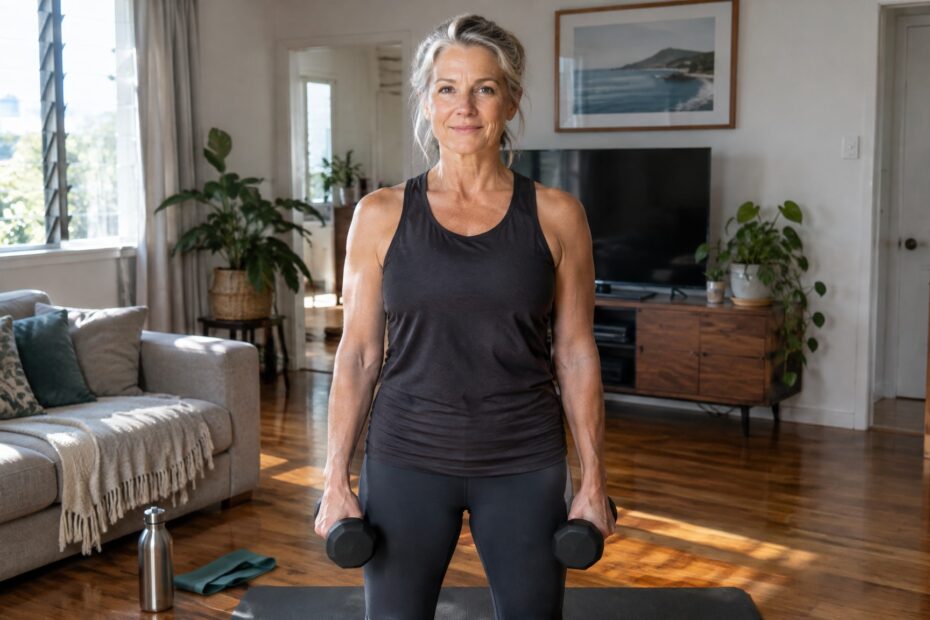
Your trainer comes to your home or a local park, or you train in a live online session. You pick the setting, and you can change it as your week changes.
There’s no commute, no car park and no waiting for a machine. Whether you work full-time, juggle family or have already retired and want a routine that sticks, you get one-on-one attention at a time that suits you, rather than a timetable you have to chase.
Fitness Inside Out was founded in 2001 by Jacqueline Zonneveld and Jude Tarran, and it serves clients in Brisbane alongside Sydney, Melbourne, the Central Coast and Wollongong. That’s more than two decades of coaching people who wanted results without the gym.
How a Mobile Personal Trainer Works in Brisbane
If you’re looking for a mobile personal trainer in Brisbane for seniors and over 50s, the process is simple. You get in touch, talk through your goals, and book a first session where you train. An in-home trainer in Brisbane for over 50s arrives with a plan and works with the space you have.
You can read more on how a trainer that travels to you works if you’d like the detail before you call.
In-Home Training for Brisbane Over 50s
Your first session starts with a conversation, not a workout. Your trainer asks about your goals, whether that’s losing weight, building strength or just feeling steadier on your feet. They ask about past injuries, sore spots and anything your doctor has told you. They also look at the space you’ve got, because a lounge room, a spare room or a back patio is plenty.
Then you move. The first session is built around what you told them, and it’s pitched so you finish feeling capable, not flattened.
Here’s a typical start for a Brisbane reader in their late 50s who has lapsed from a gym. They train at home twice a week with a simple bodyweight routine:
- Chair stands: sit down and stand up from a sturdy chair, slowly and with control.
- Step-ups: step onto a low, solid step and back down, holding a rail or bench if needed.
- Wall push-ups: lean into a wall and press away, which builds the upper body without getting down on the floor.
- Light rows: pull a resistance band or light weight towards your ribs to work the upper back.
Once that feels easy, the trainer adds a little more. When the weather suits, they add a park session.
Your own plan will look different. This is an example of the style, not a template, and a trainer builds yours around your body and your goals. If you’d like more routine ideas, there’s a separate guide to in-home training for seniors over 50.
Choosing Between Home, Park and Online Sessions
Each setting has its strengths, and you aren’t locked into one.
- Home: the most convenient option. No travel, no weather worries, and your own equipment or none at all.
- Local park: fresh air, space to move and a change of scenery. It suits people who feel flat indoors.
- Online: live sessions with your trainer on screen. They suit a packed schedule, a work trip or a week when you’d rather not have anyone at the door.
Many clients mix them. If you’re weighing it up, this guide to online or in-person sessions sets the options side by side.
Strength Training for Over 50s in Brisbane
If you want a personal trainer in Brisbane for strength training, the case is straightforward: strength work is the foundation of staying capable as you age, and a good trainer makes it progressive, so what you lift or do slowly gets harder as you get stronger.
Why Strength Work Matters After 50
Muscle naturally gets harder to hold onto as the years go by. Strength training is how you push back.
Australia’s physical activity guidelines recommend that adults do muscle-strengthening activity on at least two days each week, and you can read the full detail on the Australian Government’s physical activity and exercise guidelines.
Two days is a floor rather than a target to scrape past, and a trainer helps you hit it every week without having to think about it.
The payoff shows up in ordinary life. Getting out of a low chair, climbing stairs with a bag of shopping, lifting a grandchild or a suitcase into the car: these are strength tasks, so that’s where your training should aim.
Strength training isn’t a quick fix, and it won’t deliver the same results for everyone. How quickly you progress depends on your starting point, your health and how consistently you train.
Balance and Everyday Movement
Strength is only part of the picture. Balance and everyday movement belong in the same plan, because falls and stiffness tend to catch people out when they least expect them.
The guidelines add balance and functional training for people aged 65 and over. If you’re in your fifties or early sixties, it’s still smart to start now, since the habits you build today are the ones you’ll lean on later.
In a session, that might look like:
- standing on one leg beside a bench or wall for support
- walking heel to toe along a line
- practising getting up from the floor and back to standing
- taking stairs or steps with good control
Your trainer folds these into the warm-up or between strength sets, so they don’t feel like a separate chore. You progress when you’re ready, and not before.
Planning Sessions for Brisbane’s Heat and Humidity
Brisbane’s subtropical climate shapes how and when you train, and that’s something a national program can’t plan around. Summers are hot and humid, winters are mild and dry, and a good trainer schedules around both rather than ignoring them.
Winter is the easy part. Mild days make parks, backyards and walking paths very appealing, and it’s a lovely time to take sessions outdoors. Spring and autumn tend to be just as friendly.
Summer needs a bit of thought, and that’s where your setting choice pays off.
Beating the Summer Heat
In summer, early-morning or late-afternoon sessions suit many people, because the day is cooler and the sun is lower. Pick the slot that’s easiest to protect in your week and stick to it.
A few simple habits make a big difference:
- Train in the shade when you’re outdoors.
- Build in regular water breaks, and don’t wait until you’re thirsty.
- Wear light, breathable clothes and a hat if you’re outside.
- Dial back the intensity if you feel off, and tell your trainer.
On the hottest days, an in-home session simply moves indoors. Your trainer arrives, the air conditioning or a fan is on, and the workout goes ahead as planned. That’s the advantage of having a trainer who comes to you: the weather changes the venue rather than cancelling the session.
If you have a heart condition, take medication that affects how you handle heat, or aren’t sure how your body copes, check with your GP before training in warm conditions.
Staying Active as You Age With Fitness Coaching at Home
Fitness coaching in Brisbane for older adults works when it’s easy to keep turning up. Why gym memberships lapse usually comes down to friction: the travel, the unfamiliar equipment, and nobody noticing when you skip a week.
A set session time takes most of that away. Your trainer is booked, they’re on their way, and you’re far more likely to show up than you would be for a membership you can ignore.
Your coach also adapts as you do. A sore knee, a new grandchild, a busy season at work, a few years of age: the plan shifts to match. You’re not stuck with a program written for someone else.
You don’t have to be fit to start. You just have to be willing to begin.
Choosing a Personal Trainer in Brisbane Over 50s
Not every trainer works well with older clients. Look for someone with relevant experience, programming that is progressive and adapted to you, and a sensible approach to your health history. Beyond that, it comes down to fit: you should feel comfortable with the person who turns up at your door.
For a deeper look, read how to choose a trainer for older clients. Our over 50s personal training page also explains how we approach it.
Questions to Ask Before You Book
Four questions cover most of what you need to know:
- What’s your experience with clients over 50? You want specifics, not a general “I train everyone”.
- How do you handle injuries or health conditions? A good trainer asks about your history, adjusts exercises and knows when to refer you on.
- How do you track progress? Look for something clear, like strength numbers, how you move or how you feel day to day, rather than just the scales.
- What does a session at home involve? Ask what equipment they bring, how much space you need and how a session runs from start to finish.
If the answers are vague, keep looking. If they’re clear and relaxed, that’s a good sign.
Personal Trainer or Exercise Physiologist: Where to Start
The right starting point depends on what’s driving you. A personal trainer suits general strength, fitness and weight goals. An exercise physiologist suits needs that are led by an injury or a health condition, because they’re trained to design exercise around those.
If you’re not sure which fits, this comparison of exercise physiologist or personal trainer for injury recovery will help. Fitness Inside Out offers both, including mobile exercise physiology, so you can start in one place and move to the other if your needs change.
A personal trainer doesn’t diagnose or treat injuries or medical conditions. If you have a health concern, see your GP first, then work out the right fit.
Booking Your First Session in Brisbane
Ready to get started? The first step is a chat.
Get in touch through the personal trainers in Brisbane page and tell us what you want to achieve. It might be building strength, losing weight, feeling steadier or just getting moving again. We’ll talk through which setting suits you best: home, a local park or online.
There’s no need to be fit already, and you don’t need any equipment. You don’t need to sort out the details beforehand either. Bring your goals, any health history your trainer should know about and the sort of week you have, and we’ll work out the rest together.
Your first session is where it becomes real. A trainer turns up, you move, and you find out how good it feels to train on your terms.
Get in touch today and let’s get you started.
Frequently asked questions
Do I need equipment at home to train with a mobile personal trainer in Brisbane?
No. Many sessions use bodyweight moves like chair stands, step-ups and wall push-ups, so a lounge room or back patio is enough. Your trainer can talk through what they bring and what space you need when you book.
Can I switch between home, park and online sessions?
Yes. Fitness Inside Out trainers come to your home or a local park, or run live online sessions, so you can choose the setting that suits your week. Many clients mix them, for example training indoors on a hot day and outdoors when the weather is mild.
How often should I do strength training after 50?
Australia’s physical activity guidelines recommend muscle-strengthening activity on at least two days each week for adults. A trainer can build that into a plan that suits your starting point and increase the challenge gradually. If you have a health concern, check with your GP first.
Should I see an exercise physiologist or a personal trainer?
If your needs are led by an injury or a health condition, an exercise physiologist is usually the better start. If you want general strength, fitness or weight loss, a personal trainer suits. Fitness Inside Out offers both, including mobile exercise physiology.
Can I still train in Brisbane’s summer heat?
Yes, with some planning. Early-morning or late-afternoon sessions suit many people, with shade and regular water breaks if you’re outdoors. On the hottest days, an in-home session can move indoors.