
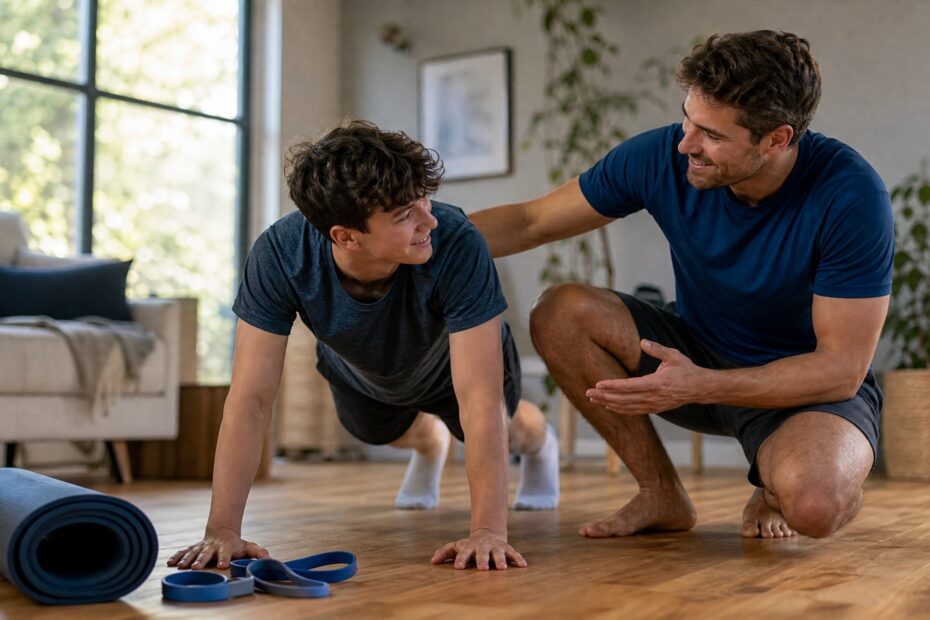
Finding a personal trainer for teenagers weight loss takes a different approach than adult fitness coaching. Adolescent bodies are still developing, and the mental load of body image during these formative years demands sensitivity alongside expertise. You need a professional who understands that healthy weight loss for teenagers Australia-wide is about building confidence and capability, not just shifting numbers on a scale.
Fitness Inside Out has provided mobile and online personal training to Australian families since 2001, with trainers experienced in adapting programs for teenage clients in home environments. Teen weight loss coaching has to balance physical safety with psychological support to create lasting change. A qualified coach helps your teen build strength and healthy habits without the pressure of a commercial gym floor.
Why Teens Need Specialised Weight Loss Coaching
Adolescent physiology isn’t adult physiology. Standard weight loss protocols can fall flat, or do real harm, when applied to younger clients. Hormonal fluctuations and skeletal development call for a strategy that puts long-term health ahead of short-term aesthetic results.
Physical Safety During Growth Spurts
Adolescent exercise programming has to account for open growth plates and varying maturation rates, both to prevent injury and to keep kids coming back. A personal trainer for overweight teenager clients needs to understand biomechanics specific to this stage, because bones often grow faster than muscles and tendons can adapt. That mismatch creates temporary periods of reduced coordination, and it raises the risk of stress fractures or joint pain if training loads are mismanaged.
Your teen’s program should work with these biological realities, not against them. Trainers who specialise in youth populations adjust volume and intensity based on individual maturation, not just chronological age. Exercise stays a positive stimulus for bone density and metabolic health rather than becoming a source of chronic pain.
Building Confidence Over Calorie Counting
Teen weight management programs that focus on health behaviours rather than weight outcomes show higher retention and lower risk of disordered eating patterns. Restrictive dieting during adolescence can disrupt hormonal balance and set up unhealthy relationships with food that last well into adulthood. That’s why behaviour-first coaching matters for results that stick.
The goal is to help your teen associate movement with feeling strong and capable, not punishment for eating. When confidence becomes the main measure, weight management often follows as a byproduct of consistent activity and better nutritional awareness, without the toll of obsessive tracking.
Benefits of At-Home Personal Training for Teenagers
You might worry that effective training needs expensive equipment or a gym membership. It doesn’t. Teens can lose weight effectively without ever setting foot in a commercial gym. The home environment removes the barriers that often cause adolescents to quit before they see results.
Removing Gym Intimidation and Anxiety
Commercial gyms can overwhelm teenagers already navigating body insecurity. Mirrors, heavy lifters and complex machinery create an atmosphere of judgment. Mobile personal trainers working with teens often start with bodyweight mastery and functional movement patterns before introducing external loads, building foundational confidence in a private setting.
That privacy lets your teen make mistakes, ask questions and learn proper form without fear of being watched by strangers. For many adolescents, this safe space is the difference between dreading exercise and looking forward to it, which matters for building habits that last.
Fitting Fitness Around School and Study
Consistency beats intensity for teen weight loss, yet transport logistics and packed schedules often derail good intentions during term time. Having a trainer that travels to you cuts out the commute that often makes after-school training impossible for families juggling homework, tutoring and extracurricular commitments.
Your teen gets professional guidance without sacrificing study time or sleep, both crucial for metabolic health and emotional regulation during adolescence. Sessions actually happen regularly instead of becoming another source of family stress when life gets busy.
What Healthy Weight Loss for Teenagers Actually Looks Like
Effective teen fitness adds positive behaviours rather than subtracting calories or cutting out whole food groups. This additive approach supports both physical development and mental wellbeing.
Strength Training vs Cardio Focus
Cardio burns calories during the session, but strength training builds lean muscle that lifts resting metabolism and improves insulin sensitivity over time. A kids fitness coach at home will typically prioritise movement quality and functional strength before prescribing high-intensity interval training. That foundation prevents injury and builds real athletic competence.
Your teen learns to appreciate what their body can do, rather than fixating on energy expended. That shift, from calorie burning to capability building, creates a relationship with exercise that survives the move from adolescence into adulthood.
Nutrition Guidance Without Restriction
Qualified teen coaches focus on adding nutritious foods and building a positive relationship with eating, not chasing calorie deficits. Growing bodies need adequate fuel for development, and restrictive eating can trigger binge cycles or nutrient deficiencies that undermine both health and weight goals.
Instead of banning foods, your teen’s coach might encourage adding protein to breakfast or vegetables at dinner, crowding out less nutritious options naturally. This builds intuitive eating skills and nutritional literacy that serve your child well beyond any weight target, and it cuts down on power struggles over food at home.
Finding the Right Kids Fitness Coach at Home
Not every personal trainer certification covers adolescent development, so it’s worth checking for specific youth credentials before you book. General adult fitness qualifications don’t guarantee competence with growing bodies or sensitive body image issues.
Qualifications Specific to Youth Fitness
Look for trainers holding recognised youth-specific fitness qualifications alongside their standard personal training certification. These cover growth plate safety, maturation assessment and age-appropriate communication. Working With Children Checks are mandatory in Australia, but they confirm legal clearance, not technical competence with adolescent physiology.
Ask too about continuing education in paediatric exercise science or adolescent nutrition. The field moves fast, and best practices shift. A trainer committed to youth populations stays current with research on teenage development, rather than just adapting adult principles downward.
Experience With Overweight Teenagers
Credentials matter, but practical experience with teen weight loss and body image sensitivity is what determines whether your teen feels supported in vulnerable moments. Ask potential trainers directly about their work with similar clients, and how they handle setbacks, resistance or emotional responses to exercise.
If your younger children also need support, you might look into a personal trainer for kids at home who can work with multiple age groups appropriately. Fitness Inside Out offers dedicated kids fitness services built around developmental stage, so each child gets programming matched to their maturity level rather than a one-size-fits-all approach.
Online vs In-Person Teen Fitness Sessions
Choosing between delivery formats comes down to your teen’s confidence level, self-motivation and specific goals, not just convenience. Both options have merit, but they suit different needs during the weight loss journey.
In-person mobile training gives beginners the hands-on form correction and real-time motivation they often need to build foundational competence safely. Your teen gets direct supervision during complex movements and immediate feedback that stops bad habits forming, which makes this the safer starting point for anyone new to structured exercise or still building body confidence.
Online coaching offers more scheduling flexibility and independence for older teens who’ve mastered basic movement patterns and need accountability more than technical instruction. You can compare the two through our guide on online versus in-person training to see what suits your family right now. Plenty of families start face-to-face and move to virtual sessions once confidence grows.
Supporting Your Teen’s Fitness Journey as a Parent
Your role goes beyond booking sessions and paying invoices. The home environment has a big say in whether new habits stick or fade under daily pressure. How you talk about bodies, food and progress shapes your teen’s internal dialogue more than any single training session can.
Creating a Positive Home Environment
Model the behaviours you want to see. Go on family walks, try new recipes together, talk about your own relationship with exercise honestly, without making it about weight. Avoid commenting on your teen’s body size or comparing their progress to siblings or peers. Remarks like that undermine the confidence-building work happening in training sessions.
Stock your kitchen with accessible, appealing options that line up with their nutritional goals, so there’s no willpower battle at every meal. When healthy choices feel normal and supported rather than policed, your teen builds motivation that holds up on its own, without needing outside monitoring or praise.
Measuring Progress Beyond the Scale
Weight fluctuates daily with hydration, hormones and growth spurts, so the scale is an unreliable measure of health or fitness during adolescence. Encourage tracking non-scale wins instead: improved mood, better sleep, more energy for sport, growing confidence in physical ability.
Celebrate consistency, effort and skill acquisition out loud, and keep any weight discussions private and clinical if they’re medically necessary. This helps your teen decouple self-worth from body size, and recognise that fitness serves their life rather than defining their value.
Getting Started With Mobile Teen Training in Australia
Booking a mobile trainer across Sydney, Melbourne, Brisbane, Central Coast and Wollongong removes the gym membership barrier that stops many families from seeking professional support. You get expert guidance delivered to your doorstep, local park, or via live online sessions scheduled around school terms and exam periods.
Ask about teen-specific packages that fit your family’s budget and your child’s needs, rather than forcing adult programming onto a developing body. The right personal trainer for teenagers weight loss meets your teen where they are today while building the foundation for who they’ll become. That starts with a single conversation about what supportive, safe coaching could look like for your family.
Frequently Asked Questions
Is it safe for teenagers to work with a personal trainer for weight loss?
Yes, when the trainer holds youth-specific qualifications and understands adolescent growth plate safety. Qualified coaches design programs around maturation rates rather than adult protocols, prioritising movement quality and injury prevention over rapid results. Always verify Working With Children Checks and ask about experience with teenage clients specifically.
How does at-home training help teens who feel uncomfortable at the gym?
Private home sessions remove the mirrors, crowds, and perceived judgment that make commercial gyms anxiety-inducing for body-conscious adolescents. Your teen can learn proper form, make mistakes, and build confidence without feeling watched or compared to others. This safe environment often determines whether they develop lasting exercise habits or quit early due to discomfort.
Should I lift weights as a teenager?
Strength training is safe and beneficial for teenagers when supervised by a qualified youth fitness professional who respects growth plate development. Focus should be on mastering bodyweight movements and proper technique before adding external loads, as this builds foundational strength and bone density without injury risk. Avoid maximal lifting or adult-style hypertrophy programs until skeletal maturity is confirmed.
How should parents support healthy weight loss without damaging body image?
Focus conversations on how exercise makes your teen feel rather than how it changes their appearance, and avoid commenting on body size or comparing them to others. Model healthy behaviours yourself through family activities and shared meals rather than policing their food choices or weighing them at home. Celebrate non-scale victories like improved energy, better sleep, and growing physical confidence to reinforce that health extends far beyond weight.