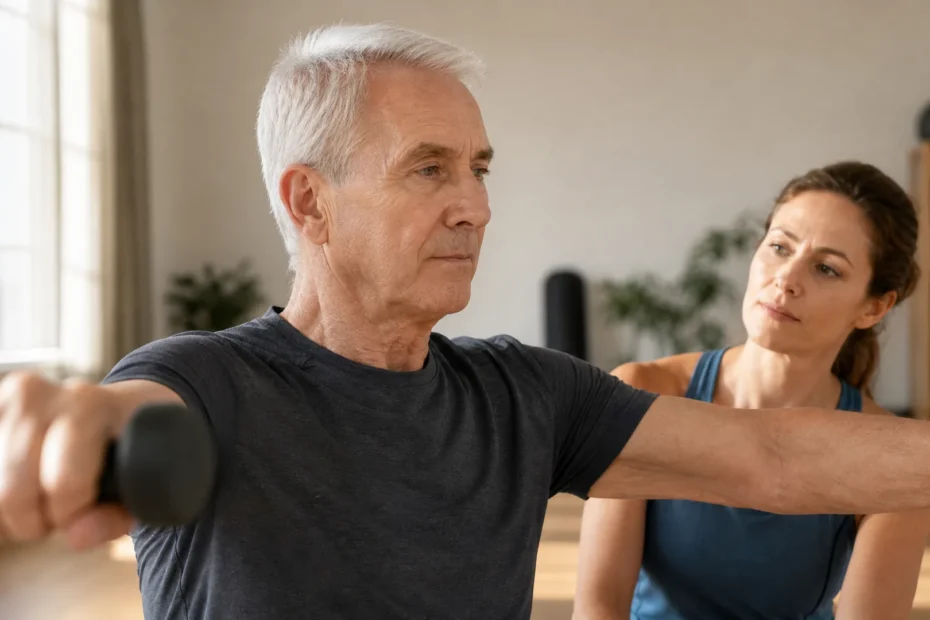
Finding the right personal trainer for older adults in Australia can be the difference between a fitness routine that sticks and one that ends in frustration, or worse, injury. Many over-60s are pointed toward generic gym classes designed for a much younger, fitter population. A smarter approach starts with understanding what actually changes in the body as we age, and choosing support that works around those changes rather than ignoring them.
Why Older Australians Need a Different Approach to Fitness
Most mainstream fitness programs are built for the average adult, not for someone managing joint stiffness, past injuries, or reduced balance. That mismatch is where a lot of well-meaning gym attempts go wrong.
The Risks of Generic Gym Programs for Over 60s
A group fitness class that moves quickly through squats, jumps and unfamiliar machines can be genuinely risky for an older body. Instructors are rarely able to give each participant individual attention, so poor form goes uncorrected and warning signs get missed. Add in busy gym floors, heavy equipment, and unfamiliar layouts, and the environment itself becomes a hazard. For someone over 60, especially anyone with a prior fall, joint replacement, or cardiovascular condition, that setting can do more harm than good.
How Ageing Changes Strength, Balance and Recovery
From around age 30, muscle mass and bone density begin a slow decline. That decline speeds up after 60 without regular resistance work. Balance and reaction time also change, making everyday movements like stepping off a kerb or getting up from a low chair riskier than they once were. Recovery between sessions takes longer too. A program that doesn’t account for these shifts, whether it’s too intense or simply the wrong type of exercise, can leave older adults sore, discouraged, or injured instead of stronger.
What Makes a Personal Trainer for Seniors in Australia Different
A personal trainer for seniors in Australia isn’t just a younger trainer working with an older client. It’s a different skill set, built around safety, patience, and a genuine understanding of the ageing body.
Qualifications and Experience to Look For
Look for a nationally accredited personal trainer with specific experience working with older clients, not just general population fitness. Ideally, they understand common conditions like osteoporosis, arthritis, and post-surgical recovery, and know when a concern needs to be referred on to a GP, physiotherapist, or exercise physiologist. A trainer who works alongside allied health professionals, rather than in isolation, is generally a safer choice for anyone managing an existing health issue.
Fall Prevention and Mobility-Focused Programming
The best trainers for this age group build sessions around function, not aesthetics. That means prioritising balance drills, sit-to-stand practice, and mobility work over anything resembling a bodybuilding program. Falls are one of the leading causes of injury-related hospitalisation among Australians aged 65 and over. That’s why fall-prevention-focused strength and balance work sits at the centre of any responsible ageing program, not as an afterthought.
The Case for In-Home PT for Seniors Over Gym-Based Training
Once you understand what older bodies need, the case for training at home rather than at a gym becomes much clearer.
Safety and Comfort of Training at Home
In-home PT for seniors removes several risk factors in one go. There’s no unfamiliar equipment, no crowded gym floor, and no drive to and from a facility, which is often a bigger barrier than people expect once mobility or confidence starts to decline. Training in a familiar space, using furniture and layouts the client already knows, also makes balance and functional exercises more realistic and transferable to everyday life. A trainer arriving at a client’s home to guide a sit-to-stand chair routine, or a supported balance drill on the front lawn, reflects how these sessions are typically structured for older clients.
Consistency: The Real Driver of Results for Over 50s
Intensity matters far less than consistency once you’re past 50. A moderate session done twice a week, every week, will always beat an intense session attempted once a month. Removing transport, parking, and scheduling friction is exactly what keeps older clients showing up. This is the quiet advantage of in-home fitness for older adults: it turns exercise from an event into a routine, which is where real, lasting results come from.
What a Strength Training Program Over 60 in Australia Looks Like
Strength training over 60 in Australia doesn’t need to be complicated or intimidating. It needs to be consistent, well-structured, and appropriately paced.
Sample Weekly Structure
A typical week might include two sessions of resistance training using bands, light dumbbells, or bodyweight movements, one session focused specifically on balance and mobility, and some light cardio such as walking worked in between. Sessions are usually 30 to 45 minutes, long enough to build strength without leading to excessive fatigue. Exercise physiologists and physiotherapists commonly recommend that older adults prioritise resistance training and balance work over cardio alone, since muscle mass and bone density naturally decline with age.
Progressing Safely Without Injury
A good trainer increases load or difficulty gradually, watching how the client recovers before adding anything new. Progress might mean an extra repetition, a slightly heavier band, or a longer hold in a balance position, rather than a dramatic jump in intensity. This measured pace is what keeps older clients improving steadily instead of getting sidelined by a setback.
Exercise for Healthy Ageing: Beyond Just Strength
Exercise for healthy ageing in Australia isn’t only about physical capability. Regular sessions give older adults a reason to get up, get dressed, and engage with someone face to face, which matters enormously for mental health and mood. There’s a real confidence boost that comes from managing stairs more easily, carrying groceries without strain, or simply feeling steadier on your feet. For many clients, the social connection built with a regular trainer becomes just as valuable as the physical gains, supporting independence and quality of life well beyond the workout itself.
Finding the Right PT for Over 50s Near You
If you’re looking for a PT for over 50s in Australia, start by considering how a trainer’s approach lines up with what your body actually needs right now, not a generic program built for someone decades younger.
Questions to Ask Before You Start
Ask about their experience with clients your age, how they handle existing injuries or conditions, and whether they can adapt sessions if you have a bad day or a flare-up. Ask what a typical first session looks like and how they measure progress beyond just weight or reps. It’s also worth asking whether they can connect you with mobile exercise physiology support if you’re managing a chronic condition alongside your training.
Fitness Inside Out has been running mobile and in-home personal training across Sydney, Central Coast, Wollongong, Melbourne and Brisbane since 2001, including dedicated programs for over 50s and healthy ageing clients. If you’d like to understand how in-home personal training actually works before committing to anything, that’s a good place to start. From there, you can look into personal training designed for over 50s, or find a local option through mobile personal trainers in Sydney, in-home trainers on the Central Coast, or mobile PT services in Wollongong.
The safest and smartest way to start is with a conversation, not a commitment. Booking a free consultation with a mobile trainer means you can talk through your goals, any health concerns, and what a realistic weekly routine looks like, all from the comfort of your own home.