
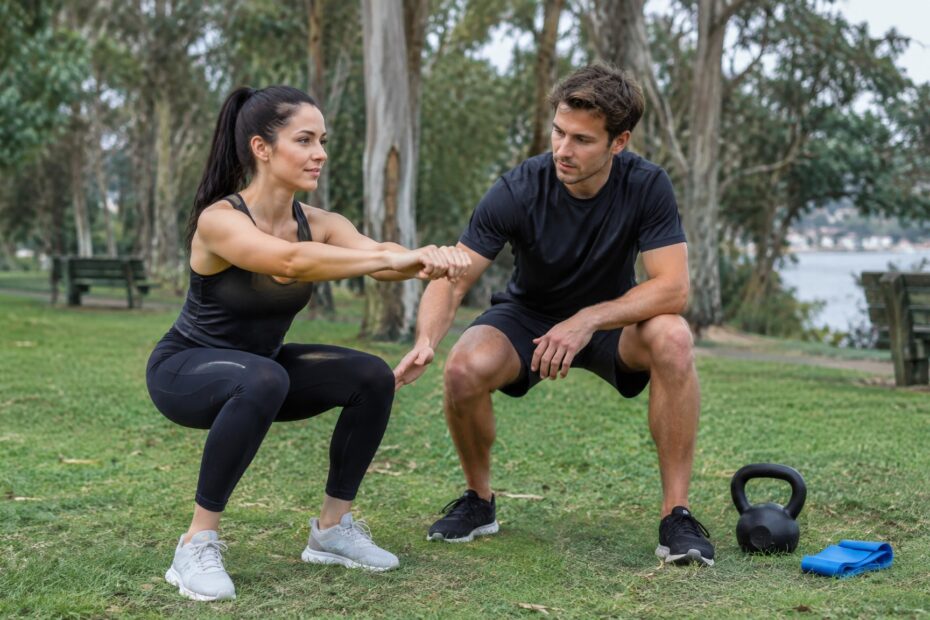
Starting a fitness journey often feels daunting when you picture crowded gym floors and equipment you’ve never used before. Many Australians want to get fit but hesitate because they’re worried about looking inexperienced, or they simply can’t fit a commute into an already packed schedule. Finding the best mobile personal trainer in Sydney for beginners changes this entirely by bringing professional guidance to your doorstep. You get expert coaching in an environment where you already feel safe, and that removes the performance pressure that causes so many new exercisers to quit before they build real momentum.
Why Mobile Training Suits Sydney Beginners Best
Gym intimidation is one of the main reasons people never start, and plenty of lapsed members point to discomfort in shared spaces as the reason they quit. When you train at home or in a quiet local park, nobody is watching your form or judging your pace. That privacy creates a safety net that encourages consistency over perfection, and it lets you focus on learning movement patterns without clanging weights or people waiting on machines in the background.
Mobile training tends to produce better adherence for beginners for exactly this reason: it removes the performance pressure that comes with a public gym floor.
Removing Gym Intimidation and Commute Friction
You deserve a starting point that respects your current confidence level rather than testing it against strangers. If you’re starting personal training nervous about being seen, the familiar setting of your own lounge room or backyard gets rid of the audience effect that makes simple exercises feel overwhelming. There’s also a practical side to it. Why gym memberships fail busy people usually comes down to travel time and transition friction, not a lack of willpower. Cut the drive, and a session fits into a lunch break or an early morning without losing an hour to transit.
Training in Your Own Space Builds Confidence Faster
Learning to move well takes repetition, and repetition happens faster when you’re not navigating a new environment every time. Your trainer works with whatever space and equipment you have, which proves that effective exercise doesn’t need a commercial facility behind it. This kind of learning ties fitness to your daily life instead of turning it into a separate destination. You build competence in the exact space where you’ll keep exercising long after the initial coaching block ends.
What Your First PT Session Actually Looks Like
The unknown is usually scarier than the workout itself. Knowing exactly what happens in the first mobile personal training session for a complete beginner takes a lot of the anticipatory anxiety off the table. Fitness Inside Out has run mobile personal training across Sydney since 2001, bringing coaching directly to client homes and parks. First sessions prioritise movement screening and goal alignment over high-intensity output, to keep things safe and build trust early. You’re not there to survive a bootcamp. You’re there to establish a baseline and a relationship.
This first meeting sets the tone for everything after it, and it’s built around assessment and communication rather than exhaustion.
The Pre-Session Chat and Goal Setting
Your trainer arrives early to talk through your medical history, past injuries, and lifestyle constraints before any physical activity starts. That conversation makes sure the program fits your actual capability and goals, not a generic template built for someone else. You get the chance to raise concerns about specific movements or bad past experiences, and the coach adjusts on the spot. Honest dialogue here heads off misunderstandings later and shows that your comfort matters as much as your progress.
Movement Screening Without Judgment
A proper assessment uses simple mobility tests and basic movement patterns to spot restrictions or imbalances. It’s not a fitness test. Your trainer watches how you squat, hinge, push and pull to work out which exercises are safe right now and which need modifying. The process is educational: it shows you how your body currently functions, and why certain movements might have felt hard in the past. You learn what your body can do today, which gives you a realistic base to build from, without shame or comparison.
A Sample Beginner Workout Structure
After the assessment, you’ll typically move through a few foundational exercises with generous rest and detailed cueing on form. Volume stays low, to avoid the kind of soreness that can derail motivation before session two even happens. Your trainer demonstrates each movement, cues your positioning, and gives immediate feedback so the connections build safely. The session ends with a cool-down and a quick chat about how you felt, so you leave energised rather than wrecked.
Key Traits of a Beginner Friendly Personal Trainer
Not every qualified coach automatically knows how to teach beginners well, so spotting a genuinely beginner friendly personal trainer means looking past the certificates. You need someone who understands that teaching adults new skills takes patience, clear communication and emotional intelligence, not just technical know-how. The right coach makes you feel capable from day one, adjusting their language and pace to how you learn rather than expecting you to adapt to them. Technical expertise only counts if it’s delivered in a way you can actually absorb and use.
Your long-term success depends more on feeling understood than on having the most advanced programming available.
Communication Style Over Drill Sergeant Tactics
Good coaching for newcomers sounds like guidance, not punishment. Fear-based motivation rarely builds a lasting habit. Your trainer should explain why each exercise matters and check in on your understanding and comfort as you go. They celebrate small wins and correct form with constructive cues instead of criticism, which helps you link effort to positive reinforcement rather than dread. That support is what builds the self-belief you need to eventually train on your own, or push harder once you’re ready.
Adapting Exercises for Injuries or Low Fitness Levels
Mobile trainers build workouts around clients with low fitness levels or past injuries by keeping a regression ready for every movement pattern. If a standard squat hurts your knees, they’ll offer a box squat or wall sit instead, one that gets you a similar benefit without the pain. That adaptability respects where your body is right now, and it stops you aggravating an old issue while trying to fix a new one. You learn that exercise should work around your limitations, not ignore them, which matters for sticking with it long-term.
Checking Credentials and Insurance
Always check that your trainer holds current registration with a recognised Australian industry body and carries public liability insurance for mobile work. Those credentials confirm they’ve met minimum education standards and keep up ongoing professional development. Ask about their experience with beginners or rehab clients specifically, since that’s what separates a specialist from someone who mostly trains advanced athletes. Professional accountability protects you, and it signals that the trainer takes the responsibility seriously.
Choosing Between 1-on-1, Small Group, or Online Coaching
Whether one-on-one training is necessary for beginners, or small groups work just as well, depends on your personality, your budget and what you actually need. Total beginners often do best starting with private sessions, to build a baseline and sort out individual movement issues before moving to another format. The small group vs 1-on-1 training differences are worth understanding, since they help you match the service to your current confidence and learning speed. There’s no wrong choice here, only the one that best supports your consistency right now.
Your ideal format may change as you gain experience, so stay open to adjusting it as your needs evolve.
When Private Attention Is Non-Negotiable
If you’re dealing with significant injuries, real anxiety about exercise, or complex health conditions, private coaching gives you the focused attention that safety requires. Undivided attention means fast correction of technique and real-time adjustment of intensity to match how you’re feeling that day. You get a program built around your physiology and your schedule, which matters most when time is tight. That investment speeds up the learning curve, and it can make group training a realistic option sooner than if you’d tried to work through those complexities alone.
Social Accountability in Small Groups
Some beginners thrive on other people’s energy, and shared commitment makes showing up easier on the days motivation is low. Small group training keeps structured supervision while adding the social connection that fights isolation and makes the early struggle feel normal. You still get form corrections and scaling options, just within a group that’s putting in the effort together. This format works well once you’ve got the basic movement patterns down and feel comfortable training near others.
Hybrid Models for Busy Schedules
Mixing occasional face-to-face sessions with online check-ins gives flexibility to anyone whose schedule shifts unpredictably. You keep the accountability and technical correction of in-person coaching, and fill the gaps with guided remote workouts that keep momentum going. How mobile personal training works shows how modern coaching blends physical presence with digital support to fit a busy lifestyle. This approach treats consistency as the goal, not perfect attendance at a fixed location.
Preparing for Success Before Your Trainer Arrives
Clearing a safe training area and having water ready cuts pre-session anxiety by giving you some control over the setting. Wear clothing that allows full range of motion, and shoes suited to whatever surface you’ll be training on. Hydrate through the day rather than gulping water right before the session, so you’re not uncomfortable mid-movement. These small preparations tell your brain you’re ready to engage, which makes the shift into workout mode smoother when your trainer turns up.
Common Beginner Mistakes Mobile Trainers Prevent
Doing too much too soon is the most common mistake new exercisers make, and it leads to burnout or injury before habits take hold. A professional paces your progression to how your body actually adapts, not to your enthusiasm, so you can keep the effort up long-term. Skipping recovery and mobility undermines progress just as much as skipping workouts, yet plenty of beginners treat rest as optional. Your trainer builds deload weeks and active recovery into the plan, which teaches you that restoration is part of training, not a break from it.
Comparing your chapter one to someone else’s chapter twenty on social media warps your expectations and chips away at satisfaction with progress that’s actually real.
Mobile trainers give you feedback grounded in your own data, which shields you from the highlight-reel bias that makes normal progress feel like it isn’t enough. They help you measure success by things like better sleep, less pain or more energy, not just how you look. That reframing protects your motivation through the inevitable plateaus and keeps you focused on outcomes that last. Real transformation happens quietly, over months, not visibly over weeks.
How to Start Your Fitness Journey Today
Taking the first step is genuinely the hardest part, and looking for professional guidance shows you’re serious about doing it properly. Booking a no-obligation consultation lets you meet a trainer, ask questions and check compatibility before committing to a full package. You can see how Sydney mobile personal trainers operate and decide for yourself whether the come-to-you model suits your lifestyle. Give yourself permission to start imperfectly. Expert support exists specifically to get you through the uncertainty of beginning.
Frequently Asked Questions
What should I wear to my first mobile personal training session?
Wear breathable activewear that allows full range of motion and supportive footwear appropriate for your training surface. Avoid brand-new shoes or restrictive clothing that might distract you during movement assessments. Your trainer focuses on your form and comfort, not your outfit, so choose whatever makes you feel confident and able to move freely.
Do I need to buy equipment before starting mobile personal training?
No, your trainer brings necessary equipment to your first session and advises on cost-effective purchases only if needed for your specific goals. Most beginner programs utilise bodyweight exercises, resistance bands, and household items to build foundational strength safely. Wait until after your assessment to invest in gear, as your trainer can recommend exactly what suits your space and program.
How often should beginners schedule mobile personal training sessions?
Most beginners start with one or two sessions per week to allow adequate recovery while building consistency and motor patterns. Frequency adjusts based on your recovery capacity, schedule, and independent practice between coached sessions. Your trainer recommends a sustainable rhythm that prevents burnout while maintaining enough contact to refine technique effectively.
Can mobile personal training accommodate chronic pain or old injuries?
Yes, qualified mobile trainers specialise in adapting exercises for pain management and rehabilitation within safe parameters. They collaborate with your healthcare providers when necessary and modify movements to avoid aggravating existing conditions while strengthening supporting musculature. Always disclose your full medical history during the initial consultation so your program addresses rather than ignores these factors.
What if I need to cancel or reschedule a session last minute?
Reputable mobile trainers have clear cancellation policies that balance flexibility with professional boundaries, typically requiring 24 hours notice. Life happens, especially for busy adults, so most coaches offer rescheduling options rather than penalties for genuine emergencies. Discuss these terms during your initial consultation to ensure they align with your unpredictable schedule and reduce anxiety about commitment.